
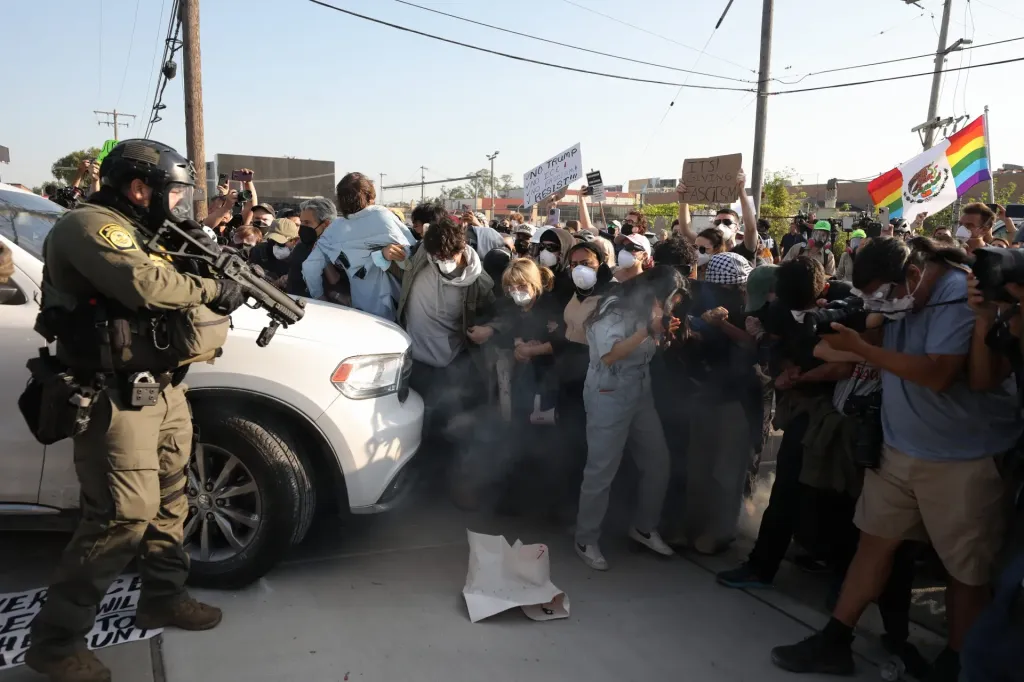
Hundreds gather in Burlington, Vermont for a May Day car rally demanding workers’ rights, fair wages, and economic justice during the COVID-19 crisis.
Introduction
On May 1, hundreds of workers and activists gathered in Burlington, Vermont, to mark International Workers’ Day with a powerful message: the need for a “People’s Bailout.” Amid the COVID-19 pandemic and growing economic uncertainty, the rally highlighted rising frustrations over inequality, labor conditions, and government priorities.
A Rally Adapted to the Pandemic
Due to health restrictions, the demonstration took the form of a large car caravan. More than 250 vehicles filled a parking lot near Interstate 89, decorated with protest signs and banners representing a wide range of political perspectives.
Participants tuned into a shared Zoom call, allowing organizers to deliver speeches, coordinate movement, and ensure safety through social distancing guidelines.
One of the organizers, Abel Luna of Migrant Justice, energized the crowd with a simple question: “Who has the power?” The unified response echoed across the lot—“The people!”
Migrant Workers at the Center of the Movement
The rally was led by Migrant Justice, an organization representing migrant farmworkers who play a critical role in Vermont’s dairy industry. Despite their importance, these workers often face low wages, unsafe conditions, and the constant threat of deportation.
The event also drew support from multiple labor and community organizations, including nurses, teachers, tenant unions, and social justice groups, reflecting a broad coalition of working-class voices.
Calls for Healthcare and Economic Justice
Speakers highlighted how the pandemic intensified existing inequalities. Healthcare workers emphasized the urgent need for universal healthcare, noting that many people lost coverage due to unemployment.
Criticism was also directed at government policies perceived as favoring corporations over ordinary people. Activists argued that while large companies received financial support, essential workers continued to struggle with rising costs and limited protections.
Education, Austerity, and Public Services
Educators at the rally warned about potential cuts to public services and schools. Concerns were raised about austerity measures, layoffs, and the long-term impact on working-class communities.
Speakers stressed that the crisis should not be used as a justification to reduce public investment, but rather as an opportunity to rebuild systems that better serve society.
A Citywide Caravan of Solidarity
Following the speeches, the protest transformed into a mile-long caravan traveling through key locations across Burlington. Stops included hospitals, schools, grocery stores, government offices, and correctional facilities.
Residents along the route showed support by cheering, clapping, and raising signs. The atmosphere combined protest with solidarity, as music and chants played across car radios.
Essential Workers Demand Recognition
Many participants emphasized that the pandemic revealed the true value of essential workers, including grocery staff, healthcare providers, and farmworkers.
Some workers shared their experiences of having to fight for basic protections such as hazard pay, personal protective equipment, and safer working conditions. These struggles highlighted the gap between being labeled “essential” and being treated fairly.
Housing, Labor, and Inequality
Housing activists at the rally called attention to rising rent burdens and tenant struggles. Plans for a potential rent strike were discussed, as many residents faced difficulty paying housing costs during the economic downturn.
Speakers also connected housing issues to broader social justice concerns, including migrant rights and access to safe living conditions.
Criminal Justice and Social Inequality
The caravan also passed a local correctional facility, where participants called for prison reform and the release of vulnerable inmates during the pandemic.
Activists highlighted racial disparities within the justice system and criticized the prioritization of policing over community investment. These issues were framed as part of a larger conversation about systemic inequality.
Corporate Accountability and Workers’ Rights
At one of the final stops, attention turned to large corporations benefiting during the crisis. Activists urged companies to adopt fair labor practices and recognize the rights of workers who sustain essential industries.
Farmworkers, in particular, called for better protections and fair treatment, emphasizing their role in maintaining the food supply during difficult times.
Conclusion
The May Day rally in Burlington demonstrated the growing momentum of labor activism during a time of crisis. By bringing together workers from different sectors, the event highlighted shared struggles and a collective demand for change.
As economic and social challenges continue, the call for a “People’s Bailout” reflects a broader push toward fairness, dignity, and solidarity in the face of uncertainty.
Leave a Reply
You must be logged in to post a comment.