
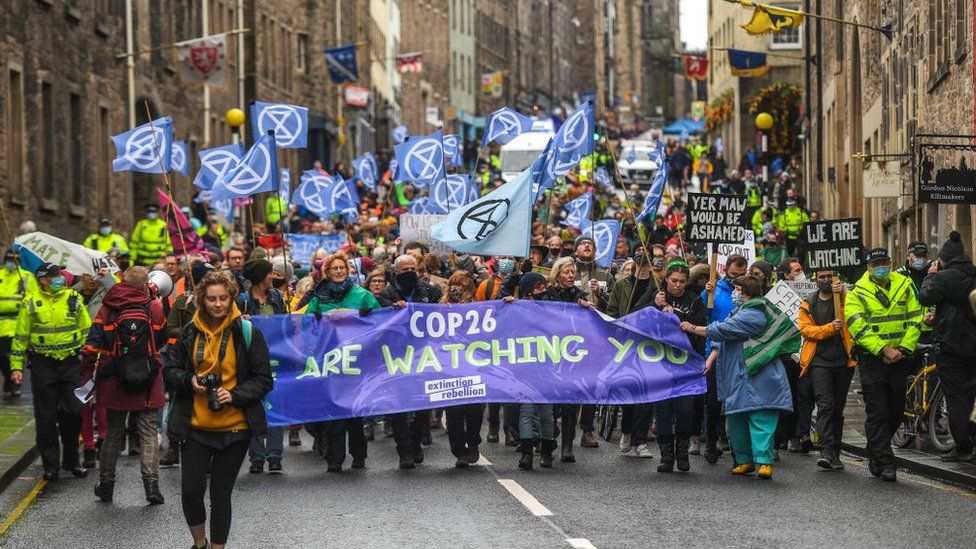
Global climate targets like net zero by 2050 may be insufficient as scientists warn of accelerating climate change and the need for immediate action this decade.
Introduction
Warnings about the climate crisis are growing louder, but action continues to lag behind. From political leaders to scientists, the message is increasingly urgent—yet the global response remains slow and insufficient.
At the Glasgow climate summit, world leaders once again emphasized long-term goals like “net zero by 2050.” However, many experts argue that such timelines fail to match the scale and urgency of the crisis.
A “Code Red” for Humanity
Recent scientific assessments have made it clear: climate change is no longer a distant threat. Reports highlight that environmental changes are already widespread, rapid, and intensifying.
Global temperatures are on track to rise far beyond safe limits, potentially reaching levels that could trigger irreversible damage to ecosystems and human societies.
The Problem with Long-Term Targets
The central issue is not just whether countries will meet their climate pledges—it is that the targets themselves may be too weak.
Current commitments aim for:
- A 50% reduction in emissions by 2030
- Net zero emissions by 2050
Critics argue that these goals delay meaningful action. By pushing major reductions into the future, governments risk allowing emissions to continue at dangerous levels in the present.
Why This Decade Matters Most
Scientific consensus suggests that the 2020s are the most critical period for climate action. Limiting global warming to 1.5°C is still technically possible, but only with rapid and unprecedented changes across all sectors of society.
If emissions are not drastically reduced within this decade, the chances of avoiding severe climate consequences diminish significantly.
Beyond Market Solutions
Addressing the climate crisis requires more than gradual policy changes or market-driven solutions. Experts increasingly point to the need for large-scale, coordinated action led by governments.
This includes:
- Transforming energy systems
- Reducing overall consumption and waste
- Investing heavily in renewable infrastructure
- Supporting developing nations in their transition
Such changes would require a level of mobilization comparable to historic national efforts during major global crises.
The Role of Society and Collective Action
Tackling climate change is not just a technological challenge—it is a societal one. Achieving meaningful progress will require broad participation across communities, industries, and governments.
Public support for stronger climate policies has grown significantly in recent years. At the same time, global activism—from youth movements to environmental campaigns—has helped push climate issues into the mainstream.
Growing Pressure for Immediate Change
Protests, campaigns, and grassroots movements have played a key role in demanding accountability. Activists argue that incremental change is no longer enough and that bold, immediate action is necessary.
Key demands often include:
- Faster emission reductions
- Greater corporate accountability
- Investment in green jobs
- Policies that ensure a fair transition for workers
Challenges in Political Leadership
Despite increasing pressure, political action often falls short. Critics highlight inconsistencies between climate commitments and ongoing support for fossil fuel projects, infrastructure expansion, and other high-emission activities.
This gap between promises and policies continues to undermine global climate efforts.
Building a Global Climate Movement
Many believe that meaningful progress will depend on building a broad and inclusive global movement. This includes environmental organizations, labor groups, Indigenous communities, and everyday citizens.
Collaboration across these groups is seen as essential to driving systemic change and ensuring that climate solutions are both effective and equitable.
Conclusion
While international climate summits play an important role in raising awareness, they are unlikely to solve the crisis on their own. The scale of the challenge requires immediate, coordinated action that goes far beyond long-term promises.
As the window for preventing the worst impacts of climate change continues to narrow, the focus must shift from distant goals to decisive action today.
Leave a Reply
You must be logged in to post a comment.